Cart
Introduction
In today’s fast-paced world, where quick fixes and processed foods dominate the marketplace, the ancient science of Ayurveda reminds us that food can be medicine. This timeless wisdom holds the key to achieving optimal health with Ayurveda by aligning our diet with our body’s needs. As we navigate modern living, many of these Ayurvedic superfoods continue to be celebrated—not only by traditional healers but also by modern scientists who are rediscovering their healing powers. In this blog, we'll dive deeper into the science behind these superfoods, offering practical advice on how to incorporate them into your life.
What Is the Ayurveda Diet?

At the heart of Ayurveda is the belief that the body is a holistic system, and each person has a unique constitution known as their "dosha." Your dosha influences your nutritional needs, digestion, and susceptibility to illness. The Ayurveda diet is all about balancing these doshas and nourishing the body with the right foods for your individual needs. It emphasizes food as medicine Ayurveda, where every meal is an opportunity to strengthen your health, improve digestion, and boost immunity.
Through the centuries, Ayurvedic traditions have utilized superfoods—ingredients rich in nutrients and medicinal properties—to restore balance in the body. Today, superfoods for overall well-being like turmeric, ghee, amla, moringa, ginger, tulsi, and more are not just trendy buzzwords; they’re rooted in ancient wisdom and now validated by modern science.
The Power of Turmeric: Modern Science Confirms Ancient Wisdom
Turmeric is perhaps the most well-known Ayurvedic superfood. For thousands of years, it’s been used to fight inflammation, boost immunity, and improve digestion. Modern science supports these benefits:
-
Anti-inflammatory properties: Studies show that curcumin, the active compound in turmeric, can help reduce inflammation in the body, which is linked to many chronic diseases.
-
Boosts immunity naturally: Curcumin also acts as an immune system booster by enhancing the body's ability to fight infections.
-
Improves digestion: In Ayurveda, turmeric is often used to stimulate digestion and relieve bloating. Research confirms that turmeric can support gut health by increasing bile production.
Actionable tip: Have you tried adding turmeric to your morning routine? A simple turmeric latte or "golden milk" with milk (or a plant-based alternative), honey, and a pinch of black pepper can support your digestion and help fight inflammation right from the start of your day.
Ghee: The Healthy Fat You Should Be Embracing
In the West, fats often get a bad rap, but healthy fats in Ayurveda are crucial for nourishing the body. Ghee, clarified butter used in Ayurvedic cooking, is rich in short-chain fatty acids that promote digestion and absorption of nutrients. But the benefits go far beyond that:
-
Supports gut health: Ghee is known for its ability to improve digestion by enhancing the gut’s ability to absorb nutrients.
-
Brain function: The fats in ghee are known to support brain function and memory, making it a great choice for cognitive health.
-
Rich in butyrate: Studies show that butyrate, found in ghee, plays a key role in reducing inflammation in the intestines and may support the health of your microbiome.
Actionable tip: Swap out butter or other oils for ghee in your cooking. It has a high smoke point, making it ideal for sautéing, frying, or even drizzling over roasted vegetables. If you’re looking for an easy way to integrate ghee, try a spoonful in your morning coffee or tea for an energy boost.
Amla: Vitamin C and Antioxidants for Skin and Immunity
Amla, or Indian gooseberry, is a powerhouse fruit packed with vitamin C and antioxidants, making it a key player in boosting immunity and improving skin health.
-
Boosts immunity naturally: Amla is known to enhance the body’s immune response by increasing the production of white blood cells, which help fight infections.
-
Promotes glowing skin: The high vitamin C content helps collagen production, improving skin elasticity and texture.
-
Anti-aging: The antioxidants in amla can neutralize free radicals, protecting the skin from premature aging.
Actionable tip: Have you tried drinking amla juice or adding fresh amla to your smoothies? It’s an excellent way to ensure your immune system stays strong and your skin remains youthful. If fresh amla is hard to find, look for amla powder or supplements that deliver the same benefits.
Moringa: The Nutrient-Dense Superfood
Moringa, often referred to as the "drumstick tree," is one of the most nutrient-dense plants on Earth. Known for its high levels of vitamins, minerals, and antioxidants, moringa can help you:
-
Improve energy levels: Packed with iron and vitamin A, moringa helps reduce fatigue and promotes vitality.
-
Regulate blood sugar levels: Moringa contains compounds that may help regulate blood sugar, making it beneficial for people with diabetes.
-
Detoxification: Its antioxidant properties help cleanse the body of toxins, supporting your liver and kidneys.
Actionable tip: If you're looking for a simple way to incorporate moringa into your diet, try adding moringa powder to smoothies or soups. You can also find moringa tea for a refreshing, nutrient-packed beverage.
Adaptogenic Ashwagandha: Managing Stress Naturally
Stress is a modern epidemic, but Ayurveda has a solution: adaptogenic herbs like ashwagandha. These herbs help the body adapt to stress and restore balance, making them essential for anyone juggling the pressures of daily life.
-
Reduces anxiety and stress: Studies show that ashwagandha can lower cortisol levels and reduce the symptoms of stress.
-
Improves stamina and energy: It helps regulate the adrenal glands, leading to improved energy levels and better stamina.
-
Supports immune function: By reducing stress, ashwagandha helps prevent the weakening of the immune system.
Actionable tip: Feeling overwhelmed? Ashwagandha supplements can be an excellent addition to your routine to help you manage stress naturally. Try taking it before bed for a more restful sleep or add ashwagandha powder to your morning smoothie.
Ginger and Tulsi: Twin Allies for Digestion and Immunity
Both ginger and tulsi (holy basil) are powerful Ayurvedic herbs, each offering unique benefits for digestion and immunity:
-
Ginger: Known for its ability to relieve nausea, bloating, and indigestion, ginger helps stimulate the digestive system and boosts metabolism.
-
Tulsi: Revered for its detoxifying properties, tulsi supports the respiratory system, reduces stress, and boosts immunity.
Actionable tip: Try making a soothing ginger-tulsi tea. It’s a simple yet powerful drink that can help you digest your food more effectively and stay healthy during cold and flu season.
Dates and Black Sesame Seeds: Nourishing for Skin and Hair
Two lesser-known but equally important Ayurvedic superfoods are dates and black sesame seeds, both of which promote skin and hair health:
-
Dates: Rich in iron, fiber, and natural sugars, dates help nourish the body and support energy levels.
-
Black Sesame Seeds: These seeds are packed with healthy fats, calcium, and iron, supporting bone health and promoting hair growth.
Actionable tip: Dates make a delicious snack when you're feeling fatigued or need a sweet pick-me-up. For an easy snack, pair dates with a handful of black sesame seeds to support hair and skin nourishment.
Triphala: The Ultimate Detox Superfood
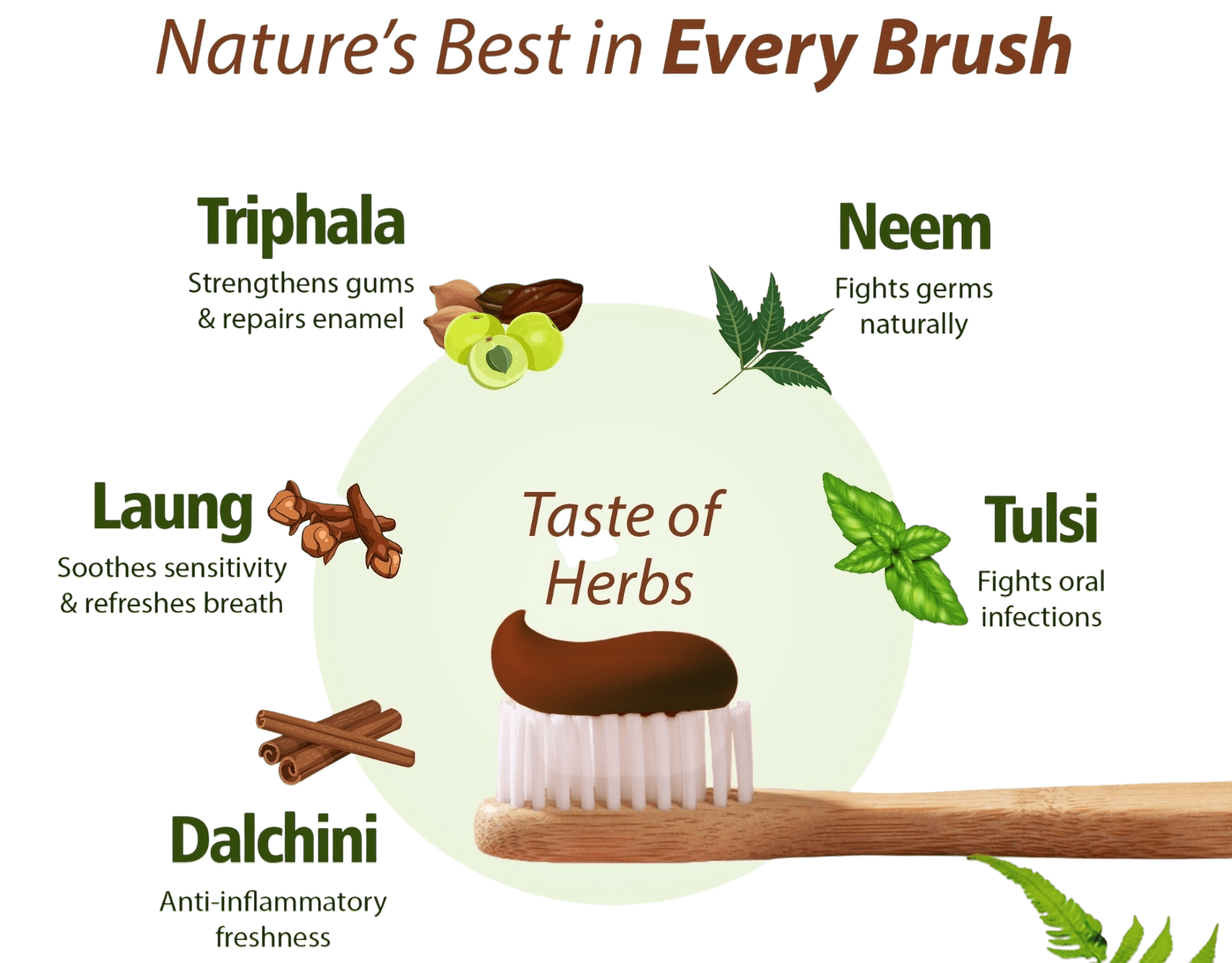
In Ayurveda, triphala is a classic detoxifying blend of three fruits—amla, bibhitaki, and haritaki. It’s renowned for its ability to cleanse the digestive system and remove toxins from the body.
-
Supports gut health: Triphala helps regulate bowel movements and improves digestion, making it a great choice for people with irregular digestion.
-
Detoxifies the liver: By improving liver function, triphala helps eliminate toxins from the body more efficiently.
Actionable tip: Take triphala in powder form mixed with warm water before bed for a gentle cleanse. If you prefer something easier, look for triphala capsules or tablets.
Why does this matter today?
Because our modern lives often challenge digestion (irregular meals, stress, processed foods) and immunity (pollution, lifestyle, poor sleep). Returning to the concept of “ancient Indian healing food” helps us counteract those modern stressors. When you emphasise an “Ayurvedic lifestyle diet cooking course” mindset—i.e., cooking or choosing foods that align with your body’s requirements, seasons, and digestion—you empower yourself rather than outsource your health.
One of the profound strengths of Ayurveda is that it reminds us: the body is not a machine but a living ecosystem. When we give it the right fuel (superfoods, healthy fats in Ayurveda, adaptogenic herbs in diet), the system responds. Modern science is catching up and validating many of these pathways.
Conclusion: A Modern Approach to Ancient Wisdom
Incorporating Ayurvedic superfoods into your daily routine offers a simple yet powerful way to improve your health. By eating nutrient-dense foods like turmeric, moringa, and ghee, and using herbs like ashwagandha and tulsi, you can boost immunity naturally, improve digestion, and nourish your body from within. Ayurveda offers a holistic approach to health, one that aligns with modern scientific discoveries.
At Tick My Health, we understand the importance of integrating ancient healing foods into your modern lifestyle. Whether you’re looking for a detox Ayurvedic food, a natural energy booster, or a skin and hair nourishment solution, our products are designed to bring the wisdom of Ayurveda into your daily routine with convenience and science-backed benefits. Explore our range of Ayurvedic-inspired products and take the next step toward a healthier, more balanced life today.
Ready to experience the power of Ayurvedic superfoods?
Visit Tick My Health to explore our line of products that combine ancient wisdom with modern wellness, and start your journey towards optimal health with Ayurveda today.
Frequently Asked Questions
Ayurvedic superfoods are nutrient-dense foods that have been used for centuries in Ayurveda to promote optimal health. They help support digestion, immunity, and overall well-being by aligning with your body's natural rhythms.
Many Ayurvedic superfoods like amla and turmeric are rich in antioxidants and nutrients that strengthen the immune system, helping the body fight off infections and stay healthy.
An Ayurvedic lifestyle diet cooking course teaches you how to prepare meals based on your dosha and the changing seasons, which can enhance digestion and immunity by aligning your food choices with your body's needs.
Yes, herbs like ashwagandha are adaptogenic herbs in diet that help the body cope with stress, balance cortisol levels, and improve overall vitality.
Healthy fats in Ayurveda, like ghee, nourish the body, support digestion, enhance nutrient absorption, and are vital for brain and joint health.
Ginger is known for its ability to soothe the digestive system, reduce bloating, and stimulate healthy digestion, making it a key ingredient in any Ayurvedic diet focused on improving digestion.
In today’s world, modern stressors and processed foods challenge our health. Ancient Indian healing food like moringa and triphala offer natural solutions for detoxing, boosting immunity, and enhancing digestion, which modern science is now validating.


Recent Post


Tags