Cart
Introduction
A bright smile is a sign of good health and confidence, but over time, many people notice their teeth beginning to yellow. Factors such as age, diet, and lifestyle habits contribute to this discoloration. While professional whitening treatments can be effective, they can also be expensive and time-consuming. As a result, more people are turning to charcoal toothpaste for teeth whitening as an affordable, natural alternative. But does it really live up to the hype? In this blog, we’ll explore the pros and cons of charcoal toothpaste, how it helps with stains, and whether it’s right for you.
Why Yellow Teeth Happen And What You Can Do About It
Yellow teeth are common and can be caused by several factors. As we age, enamel—the outer layer of our teeth—naturally thins, making the yellowish dentin underneath more visible. Certain foods and drinks like coffee, tea, red wine, and tobacco can also cause staining. Poor oral hygiene and genetics can contribute as well. To get rid of yellow teeth, it's important to practice good daily habits, such as brushing twice a day, reducing stain-causing foods, and seeking professional whitening if necessary.
If you're considering natural ways to whiten teeth, charcoal toothpaste is one option that has gained popularity. Let's break down what charcoal toothpaste is and whether it’s effective.
What Is Charcoal Toothpaste?
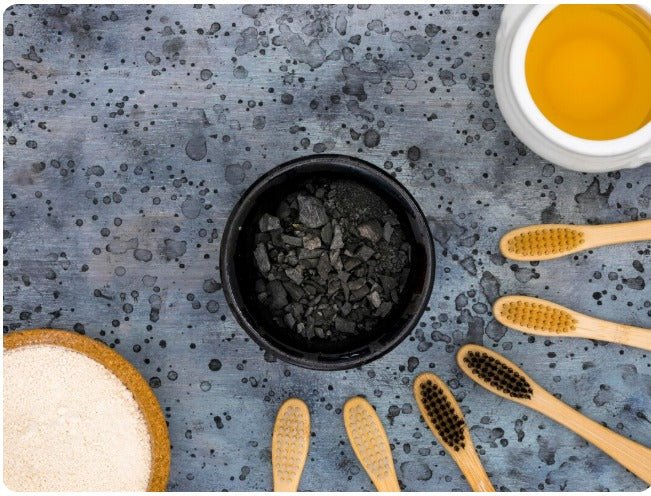
Charcoal toothpaste typically contains activated charcoal, a highly porous form of carbon made by heating natural materials like coconut shells or wood at high temperatures. Because charcoal is so absorbent, many people believe it can pull stains and toxins from teeth — potentially helping to remove yellow stains from teeth.
On social media and wellness blogs, it’s often touted as an all‑natural, chemical‑free alternative to traditional whitening toothpastes, making it appealing to people who prefer natural ways to whiten teeth.
Teeth Whitening Tips: How Charcoal May Help
Pros of Charcoal Toothpaste
Here’s what the evidence and user experiences suggest about charcoal for teeth whitening:
1. Removes Surface Stains
Activated charcoal’s mild abrasive texture can help remove surface staining caused by coffee, tea, and smoking — which can make teeth appear whiter.
2. Better Breath for Some Users
The porous charcoal particles may adsorb odor‑causing molecules, helping to improve bad breath.
3. Occasional Use After Cleaning
Some dental professionals suggest that occasional charcoal brushing after a professional dental cleaning may help maintain a bright smile without frequent abrasion.
The Cons: What You Shouldn’t Ignore
Unfortunately, the hype around charcoal toothpaste doesn’t tell the whole story. Here are serious limitations and risks:
1. Doesn’t Whiten Deep Stains
While charcoal may scrub away superficial discoloration, it doesn’t penetrate below the enamel. That means it can’t lighten intrinsic stains, which occur beneath the outer surface of the tooth.
2. Abrasive to Enamel
Many dental experts caution that regular use of charcoal toothpaste can wear down enamel over time. Once enamel is worn, the yellow dentin becomes more prominent — making teeth look more yellow, the opposite of what you want.
3. Lack of Fluoride in Most Charcoal Products
Most charcoal toothpastes do not contain fluoride, which is essential for strengthening enamel and preventing cavities. Without it, you may be trading stain removal for greater risk of decay.
4. Potential for Uneven Results
Charcoal particles can get stuck in cracks, crevices, or dental work (like crowns, veneers, and fillings), sometimes causing uneven discoloration.
5. Long‑Term Safety Is Unclear
There’s limited research on the safety of charcoal toothpaste with long‑term daily use. Many dental professionals recommend against everyday use.
Home Remedies for Yellow Teeth
If you’re searching for home remedies for yellow teeth, here are evidence‑informed ideas that actually support healthy teeth maintenance and can complement a whitening routine:
1. Brush & Floss Like a Pro
Brushing at least twice a day for two minutes and flossing daily helps prevent plaque buildup — the number‑one external cause of yellow teeth.
2. Eat Stain‑Fighting Foods
Crunchy fruits and vegetables like apples, celery, and carrots can help mechanically clean teeth and increase saliva, which naturally clears debris.
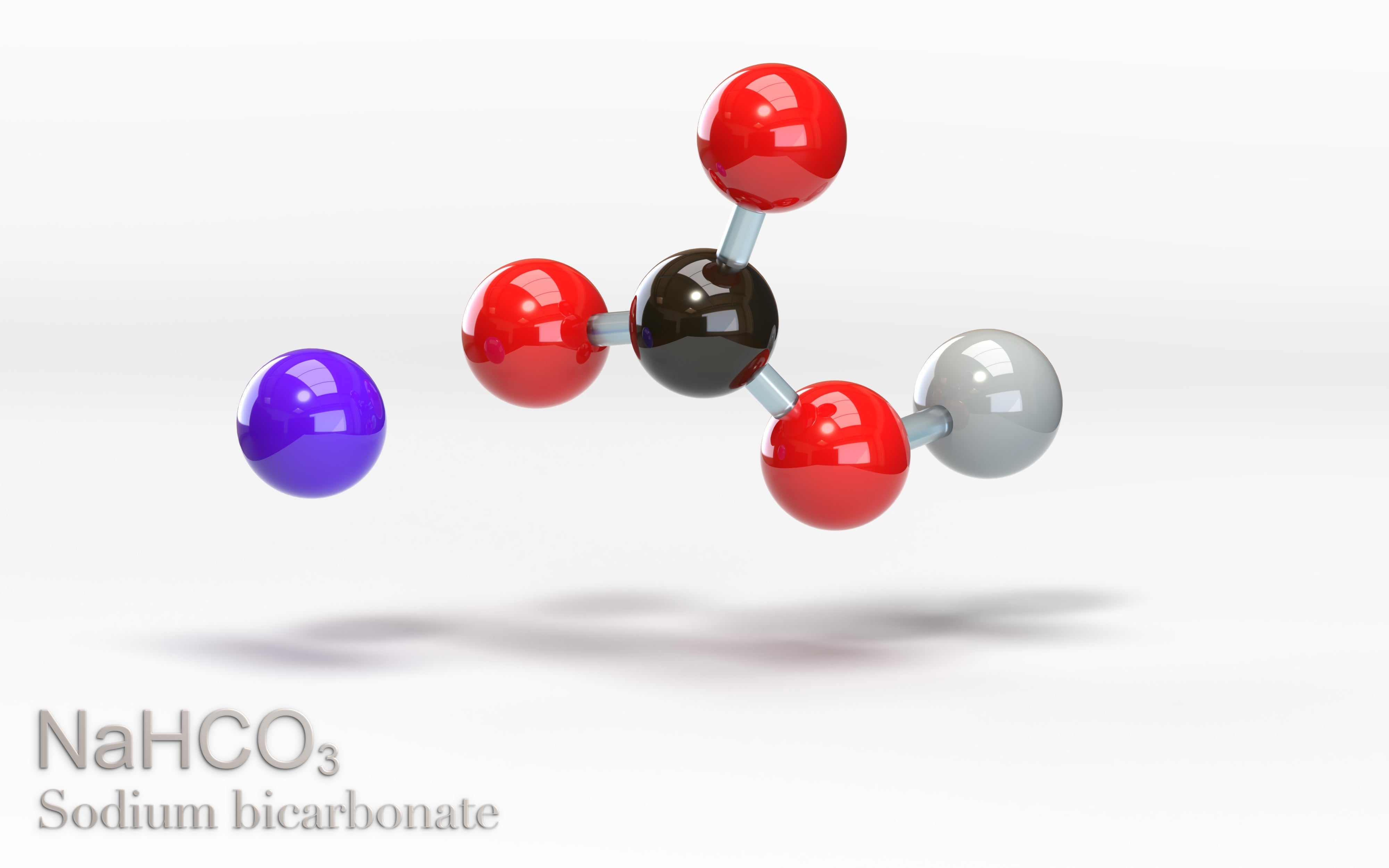
3. Baking Soda Occasional Boost
Baking soda is a mild abrasive that can help remove yellow stains from teeth without the damage charcoal might cause — when used sparingly.
4. Seek Dentist‑Approved Whitening Products
Products containing hydrogen peroxide or carbamide peroxide can safely and effectively whiten deeper stains. Always follow directions and professional guidance.
5. Rinse After Coffee/Tea
Rinsing with water after stain‑causing drinks can prevent pigments from settling, helping you prevent yellow teeth naturally.
Enamel Care and Teeth Whitening: What You Need to Know
One of the most critical parts of any whitening approach is enamel care. Enamel doesn’t grow back when damaged — so strategies that protect it while enhancing brightness are the best long‑term solution.
-
Choose whitening products with low abrasivity
-
Use fluoride toothpaste to maintain strength
-
Don’t brush immediately after acidic foods/drinks
-
Visit your dentist regularly for enamel‑safe whitening options
Remember: a white smile isn’t worth pain, sensitivity, or damaged enamel.
Charcoal Toothpaste for Teeth Whitening: The Bottom Line
So, is charcoal toothpaste for teeth whitening worth it?
✔ It can help remove surface stains and may offer a temporary brighter appearance.
✘ But it doesn’t whiten intrinsic stains, and overuse can harm your enamel and dental restorations.
For many people, charcoal toothpaste is best used occasionally and in moderation — not as a daily go‑to product.
Final Thoughts
Yellowing teeth can be frustrating — and it’s natural to explore options like charcoal for teeth whitening. But the best approach combines prevention, enamel care, evidence‑backed products, and smart daily habits.
At TickMyHealth, we believe in holistic, mindful oral care that honors both science and tradition. That’s why we’re excited to soon introduce our Ayurvedic Charcoal Toothpaste — formulated to balance natural whitening support with gentle enamel care.
Tips From the TickMyHealth:
1. Use whitening products (including charcoal) sparingly, especially if you have sensitive teeth
2. Pair tooth‑whitening efforts with strong daily habits — brushing, flossing, rinsing after staining drinks
3. Choose oral care products with supportive ingredients for enamel and gum health
4. Always consult your dentist before starting a new routine
A naturally bright, healthy smile is about more than white teeth — it’s about long‑term care, confidence, and nourishing your mouth in a way your whole body will thank you for.
Stay tuned for the official launch of TickMyHealth’s Ayurvedic Charcoal Toothpaste, where ancient wisdom meets modern oral wellness!
Frequently Asked Questions
Yes, charcoal toothpaste can help remove surface stains and make teeth appear temporarily whiter.
No, charcoal toothpaste primarily works on surface stains and does not whiten deeper stains beneath the enamel. .
Charcoal toothpaste can be abrasive and may wear down enamel over time if used frequently.
No, it's best to use charcoal toothpaste sparingly, as regular use can damage enamel.
Most charcoal toothpastes do not contain fluoride, which is essential for enamel care and teeth whitening.
Recent Post


Tags