Cart
Every time you pick up a bottle of an herbal tonic, supplement, or skin-care product labelled “Ayurvedic products”, you're relying on more than just marketing. You’re trusting the integrity of traditions, formulations, manufacturing, and regulation. But how do you actually know whether a product labeled as “Ayurvedic” meets the mark?
In this article, we’ll break down how to read Ayurvedic product labels, what to watch for, and what separates credible from questionable products. If you care about selecting the best Ayurvedic products for yourself, this guide acts like your checklist for peace of mind.
Is Your Ayurvedic Product Really What It Claims to Be?
A product’s label is its identity card. For Ayurvedic products, the label must reflect not only what’s inside, but also whether it’s manufactured under proper standards, contains clear instructions, and avoids misleading claims.
In India, rules under the Drugs & Cosmetics Act, 1940 and its rules apply to Ayurvedic medicines (including Siddha & Unani). For instance, Rule 161 states that the true list of all ingredients, along with manufacturing licence number, batch number, date of manufacture, and date of expiry must be on the label.
That means when you buy an Ayurvedic product and its label lacks key details, you’re buying more than you bargained for.
How Can You Tell If It’s Authentic?

Here’s a comprehensive checklist for how to read Ayurvedic product labels. When a product ticks each of these, you’re closer to authenticity.
1. Licence & Certification Numbers
-
Look for a Ministry of AYUSH licence number (often noted as “Mfg Lic. No.” or “AYUSH/…”). Without this, the product may not be registered.
-
Check for an Food Safety and Standards Authority of India (FSSAI) registration if it’s marketed as a supplement or food‑type product.
-
Genuine Ayurvedic medicines usually clearly state “Ayurvedic medicine” or “Ayurvedic product” rather than only “herbal”.
2. Full Ingredient List on Ayurvedic Products
A trustworthy product will list every botanical, mineral, or compound, along with the botanical name and part used (e.g., Withania somnifera (root)). Rule 161 prescribes this for ASU‑drugs.
3. Batch Number, Manufacturing & Expiry Dates
Always check:
-
“Batch No.”
-
“Mfg. Date”
-
“Exp. Date” or “Use by”
These details ensure traceability and freshness.
4. Storage Instructions & Usage Guidelines
Labels should clearly state storage instructions (e.g., “Store in a cool, dry place”, “Keep away from direct sunlight”), dosage or application instructions, and any allergy warnings. Packaging rules for Ayurvedic products specify this kind of information.
5. Claims on Ayurvedic Products
-
Check how claims are worded: “supports digestive health” is different from “cures disease”. The latter may be misleading or banned.
-
If an Ayurvedic product claims to treat or prevent a disease, verify whether it’s approved appropriately.
-
Look for disclaimers or cautionary statements if required (e.g., in case of ingredients from Schedule E(1)).
6. Manufacturer Information & Authenticity Indicators
-
The name and address of the manufacturer or packer should appear.
-
The packaging should not hide or obscure key information. If fine print or unclear labels dominate, that’s a red flag.
Is Your Product What It Says It Is?
Even though the rules exist, many products fail to meet them. Here’s why you should still be vigilant:
-
Some labels list incomplete ingredient information or use ambiguous flavouring names instead of botanical names, making it hard to assess real content.
-
Some products carry claims that go beyond what regulation allows, which can lead to the formulation being mis‑branded.
-
Packaging may omit proper storage or allergy warnings, leaving you exposed.
-
Many herbal or Ayurvedic supplements exported face scrutiny: studies show high rates of mis‑labelling.
Bottom line: reading the label is your best defence.
What Should You Look for?
Ayurvedic Medicines
These are formulations under the ASU system (Ayurveda, Siddha, Unani) and follow the Drugs & Cosmetics Rules. Their labels must comply with Rule 161.
Ayurvedic Supplements or Food‑Type Products
While functionally similar, these may also have FSSAI regulatory overlay (especially if marketed for general wellness). Always check for FSSAI certification ayurvedic supplement if it's a supplement or food.
Herbal Cosmetic or Oral‑care Products
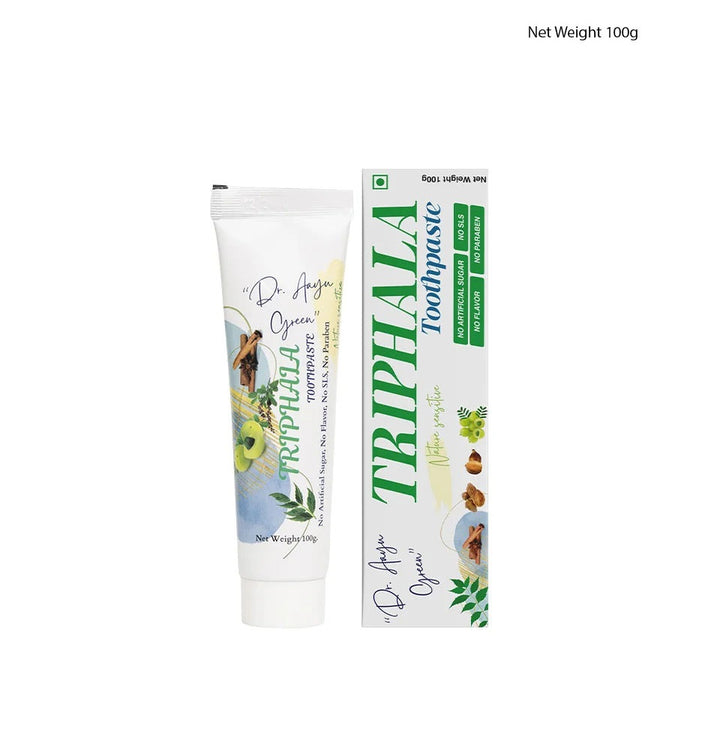
If a product is labelled as “herbal toothpaste” or “Ayurvedic toothpaste”, still check for the above: licence number, detailed ingredient list, storage/usage instructions, manufacturer details. The same principles apply even if the product is not strictly a medicine.
How Can You Trust What’s Inside?
Imagine you pick up an Ayurvedic herbal formulation. Here’s how you apply the checklist:
-
See “Mfg Lic. No. AYUSH/…”, check that’s clear and corresponds to an active manufacturer.
-
Confirm “List of ingredients: Boswellia serrata (gum) 100 mg; Withania somnifera (root) 50 mg; …”
-
Check for “Batch No: 12345”, “Mfg Date: 02/2025”, “Expiry: 02/2028”.
-
Storage: “Store below 30 °C, keep away from moisture”. Allergy warning: “Not for use during pregnancy”.
-
Claims: “Supports joint comfort” (reasonable) vs “Cures arthritis” (questionable).
-
Manufacturer: “XYZ Ayurveda Pvt Ltd., Plot X, Jaipur, Rajasthan”.
If any of these are missing, you should pause before trusting the product blindly.
Why Choosing the Right Label Means Choosing the Right Product
When you buy truly authentic Ayurvedic products, you’re choosing quality, transparency, and compliance. When the label is complete and clear, you’re less likely to encounter:
-
Unsafe hidden ingredients or undeclared additives
-
Mislabelling or misleading claims
-
Reduced efficacy or inconsistent batches
-
Storage‑related degradation of herbs
Therefore, understanding how to read Ayurvedic product labels directly correlates to your wellness and safe use.
Want the Best Ayurvedic Products?
At TickMyHealth, we take labelling seriously—because you deserve clarity and trust. Every product we offer:
-
Lists the licence number and manufacturing batch openly.
-
Has a full botanical‑and‑mineral ingredient list.
-
Provides clear storage and allergy instructions.
-
Makes realistic, transparent claims.
-
Adheres to rigorous manufacturing protocols.
Whether you’re shopping for the best Ayurvedic products in oral‑care, wellness, or herbal supplements, we’ve designed our label to give you confidence—so you use the product, not just hope it works.
Explore our range of certified, full‑labelled Ayurvedic wellness products today. Choose transparency, choose authentic labels, choose TickMyHealth.
Conclusion
Decoding the label of an Ayurvedic product is more than a quick glance. It’s about verifying authenticity, compliance, formulation, and safety. Use the checklist above before you trust any product. A good label gives you the story behind the jar—its ingredient integrity, manufacturing provenance, and safe usage instructions.
With TickMyHealth, you don’t have to wonder what’s in the box—or what’s missing from the label. We back our promises with transparency and clarity, to bring you products you can believe in.
Make the switch today to genuine Ayurvedic care—no guesswork, no uncertainty. Your wellness deserves nothing less.
Frequently Asked Questions
An authentic Ayurvedic product should have clear and complete information on the label, including the AYUSH licence number, full ingredient list, batch number, manufacturing and expiry dates, storage instructions, and manufacturer details. Always look for certification like the FSSAI label if it’s a supplement or food product. The product should also make realistic claims without promising unproven results. Be cautious of products with vague or incomplete labels.
The ingredient list on Ayurvedic products should list each plant or herb by its scientific name, including the part of the plant used (e.g., Withania somnifera (root)). It should also specify the quantity of each ingredient used in the formula. This ensures transparency and allows you to evaluate the product's authenticity and effectiveness.
The AYUSH licence number on the label ensures that the Ayurvedic product has been manufactured in accordance with government regulations under the Ministry of AYUSH. This helps confirm that the product has been certified as safe and effective. Without this number, the product may not meet regulatory standards and could be potentially harmful.
The claims on Ayurvedic products should be realistic and backed by traditional knowledge. Look for clear disclaimers such as “supports” or “promotes” instead of terms like “cures” or “prevents”. If the product claims to treat or cure a disease, verify if it has received approval from relevant regulatory bodies like FSSAI or if it complies with Ayurvedic medicine regulations. Always cross-check any exaggerated claims.
If you see an allergy warning on the label, it’s important to check the list of ingredients carefully to see if any of them are known allergens for you. Common allergens in Ayurvedic products may include specific herbs, preservatives, or essential oils. If in doubt, consult a healthcare professional before using the product, especially if you have a history of allergies.


Recent Post


Tags