Cart

Introduction
Every parent wants their child to flash a healthy, confident smile — but did you know that what your kids eat plays a huge role in maintaining that beautiful grin? While sweets and treats are fun for kids, frequent exposure to sugar and sticky snacks can quietly affect their oral health. In this blog, we’ll explore how diet influences kids' oral health and share science‑backed tips for promoting oral health for children through healthy eating for kids' teeth.
Understanding how the impact of sugary snacks on teeth works and how to reduce risk is essential to nurturing a cavity‑free smile in kids, and we’ll help you do just that.
Why Diet Matters for Your Child’s Smile
When it comes to caring for little teeth, brushing is only part of the story. What children eat — and how often they eat — directly impacts their oral health. Even with good oral hygiene, frequent snacking on sweets and acidic foods can create an environment where tooth‑harmful bacteria thrive.
Foods and drinks high in sugar feed harmful bacteria in the mouth. These bacteria convert sugars into acids that attack tooth enamel — the outer protective layer of the tooth — causing it to weaken and break down over time. This process leads to cavities and other dental issues, particularly if snacking happens throughout the day.
The Hidden Dangers: How Sugary Snacks Affect Dental Health
1. Sugar Fuels Acid Production
When kids eat sugary snacks or sip sweet drinks, bacteria in the mouth fuel off this sugar to produce acids. These acids reduce the pH in the mouth, which in turn softens and erodes tooth enamel. Without strong enamel, teeth become more cavity‑prone.
This acid attack doesn’t stop when the snack is finished — it continues for up to 20–30 minutes after eating! Frequent grazing on sugary treats means kids’ teeth are constantly under assault, giving little time for saliva to neutralize the acids and repair the enamel.
2. Sticky Sweets Are Extra Risky
Sticky sweet snacks like gummies, fruit chews, and certain candies cling to tooth surfaces and between teeth. Because they remain in contact with enamel longer, they provide a sustained food source for acid‑producing bacteria. These snacks are even harder to remove from teeth with brushing alone.
Tip: Avoid sticky sweet snacks for kids when possible — if consumed, have your child brush afterward or at least rinse with water.
3. Acidic Foods Wear Down Enamel
It’s not just sugar that matters — acidity plays a big role too. Many fruit juices, sodas, and flavored drinks are highly acidic. Acidic foods and drinks can demineralize enamel directly, weakening it and making teeth more susceptible to decay.
To reduce this risk, reduce acidic foods for children and encourage water as the drink of choice in between meals.
Healthy Eating Strategies — Protecting Little Teeth
The good news is that you don’t have to eliminate treats entirely. With some smart eating strategies, you can promote healthy eating for kids teeth while still letting kids enjoy occasional sweets.
1. Embrace Balanced Nutrition for Dental Health
A diet rich in nutrients helps support tooth and gum development. Foods that are naturally low in sugar and high in vitamins and minerals — like fruits, vegetables, dairy, and lean proteins — strengthen enamel and support overall oral health.
1. Calcium‑rich foods like cheese and yogurt help remineralize teeth.
2. Crunchy fruits and veggies — like apples and carrots — stimulate saliva flow while gently cleaning teeth.
3. Whole grains provide complex carbohydrates that don’t feed bacteria as quickly as refined sugars.
This approach fosters balanced nutrition for dental health and gives children the foundation for strong teeth as they grow.
2. Time Sweet Treats Wisely
Instead of allowing constant nibbling throughout the day, schedule sweet treats with meals. Eating sweets with a balanced meal slows down the sugar exposure and increases saliva production — which naturally helps buffer acids and clean teeth.
3. Choose Healthy Snacks for Kids Teeth
Swap high‑sugar options with tooth‑friendly snacks, such as:
-
Fresh fruit (not dried fruit that sticks)
-
Cheese sticks or plain yogurt
-
Vegetable sticks with hummus
-
Nuts (age‑appropriate)
-
Plain popcorn (not caramel)
These alternatives help curb sugar hits while still satisfying snack cravings.
Small Changes, Big Results: Reducing Sugar Without a Fuss
Limit Sugary Drinks
Sugary beverages — including sodas, juice drinks, and sports drinks — are major sources of sugar in kids’ diets. Replacing them with water or milk offers a healthier option that supports how diet influences child dental health.
If juice is offered, serve it with meals and dilute it with water to reduce sugar concentration.
Teach Kids to Sip Smart
Encourage children to drink sweetened beverages quickly rather than sipping slowly over time. The longer sugar and acid are in contact with teeth, the more enamel is threatened.
Oral Hygiene: The Other Half of the Equation
Even the best diet needs support through good hygiene habits. Kids oral hygiene practices are crucial for reinforcing the effects of a healthy diet.
Importance of Regular Brushing
Brushing teeth twice a day with fluoride toothpaste helps remove food particles and plaque before acids can do damage. Be sure brushing lasts for at least two minutes and reaches all surfaces of the teeth.
Make brushing fun — use colorful toothbrushes, play a favorite song, or create a reward chart. When kids enjoy the process, they’re more likely to stick with it.
Don’t Forget Flossing
Once kids’ teeth start touching each other, flossing becomes important to remove trapped food between teeth where bacteria love to hide.
The Role of Parents: Teaching Healthy Habits Early
You are your child’s first teacher — and the habits you model matter. Here are ways to make positive kids oral health routines stick:
Lead by Example
Brush and floss with your child — they’ll pick up habits faster when it’s a shared activity.
Educate About Food Choices
Turn mealtimes into teachable moments. Explain how foods affect teeth — not in a scary way, but in a simple, relatable way kids can understand.
Provide Tools, Not Just Rules
Keep child‑friendly toothbrushes accessible and let kids choose their dental products (toothpaste flavor, brush color) to boost engagement.
When to Seek Professional Advice?
Regular dental check‑ups — ideally every six months — are essential. A dentist can catch early signs of decay, guide age‑specific nutrition, and recommend fluoride treatments if needed. If you notice persistent spots, sensitivity, or pain, schedule a dental visit sooner.
Conclusion
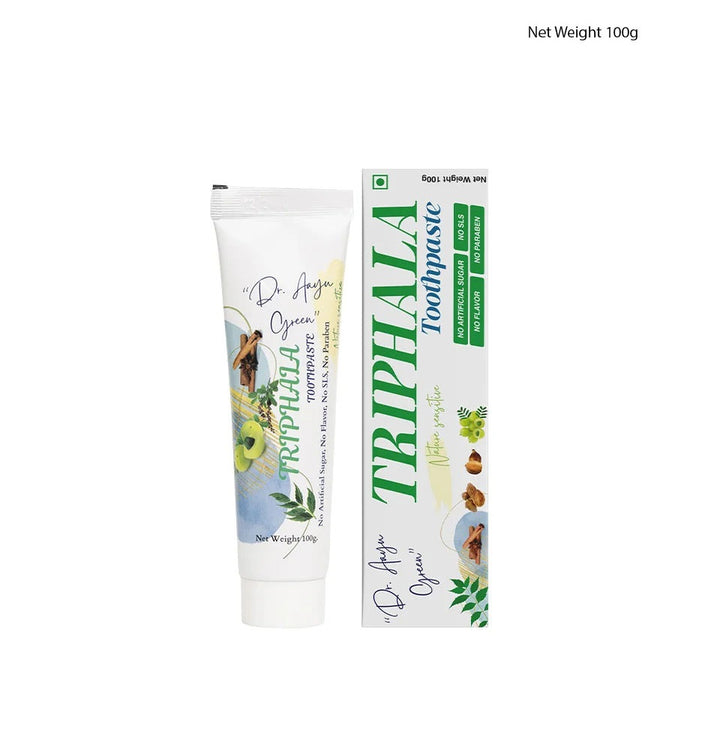
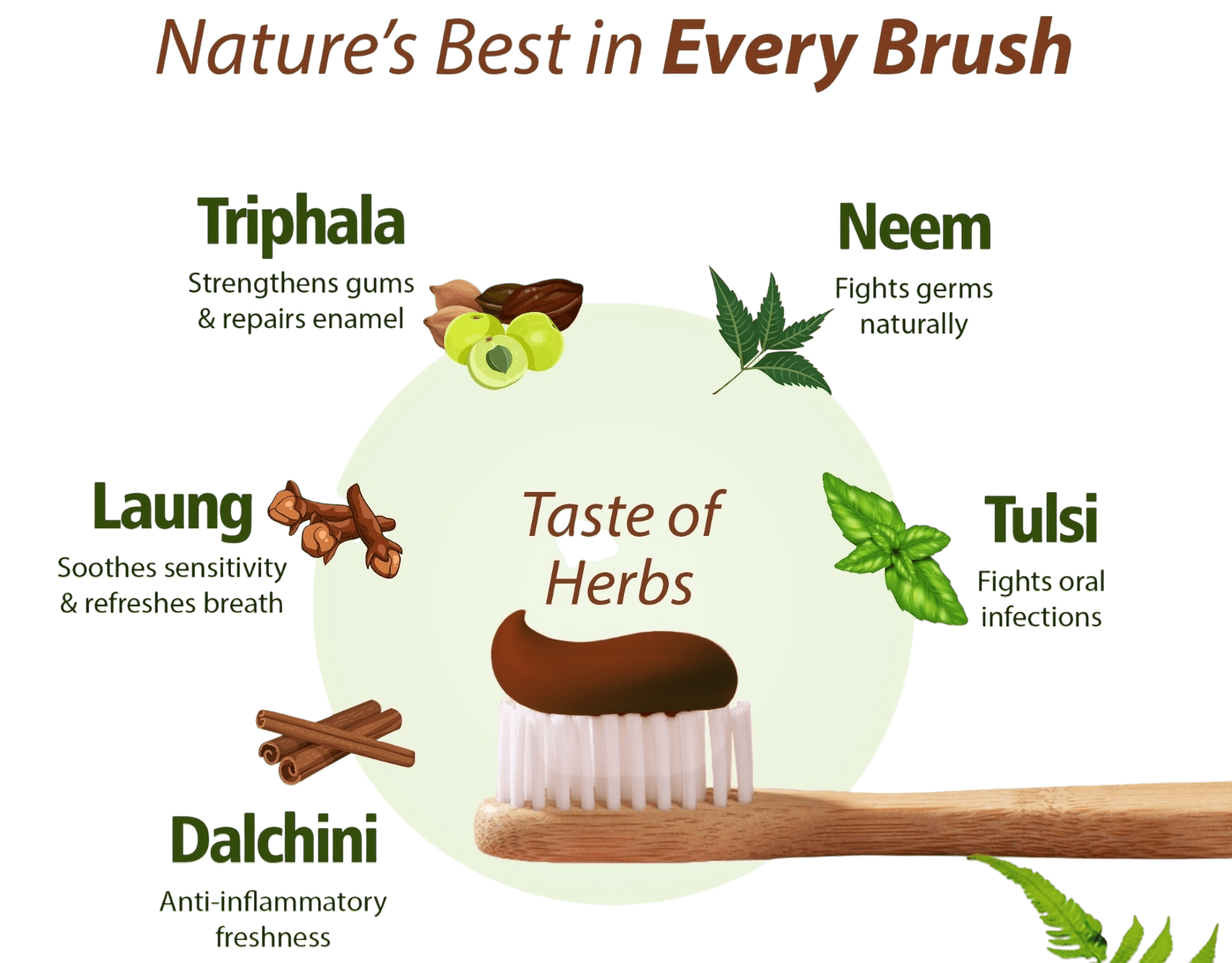
In conclusion, a healthy smile starts with smart eating habits and good oral hygiene. A balanced diet, rich in fruits, vegetables, and dairy, strengthens teeth and prevents cavities. Complement this with Dr. Aayu Green Triphala Toothpaste, which harnesses the power of triphala to protect your child's oral health while keeping their smile bright and strong.
For healthier habits, opt for tooth-friendly snacks, limit sugary drinks, and ensure proper brushing and flossing. Visit TickMyHealth.com for more tips on maintaining a beautiful smile! Let Dr. Aayu Green Triphala Toothpaste will be your partner in keeping your child's teeth healthy and radiant.
Frequently Asked Questions
Combining Ayurvedic products with modern medicines can be risky without medical supervision. Herb-drug interactions may alter drug effectiveness or cause side effects.
A balanced diet with fruits, vegetables, and dairy strengthens teeth, while sugary snacks can lead to cavities and weaken enamel. .
Healthy options include fresh fruits, cheese, yogurt, nuts, and vegetables, which promote better oral health.
Limit sugary snacks, encourage brushing twice daily with fluoride toothpaste, and visit the dentist regularly for check-ups.
It’s a toothpaste enriched with triphala to support oral hygiene and protect teeth from cavities and decay.
Use colorful brushes, play their favorite song, or create a reward chart to make brushing an enjoyable habit.

Recent Post


Tags